
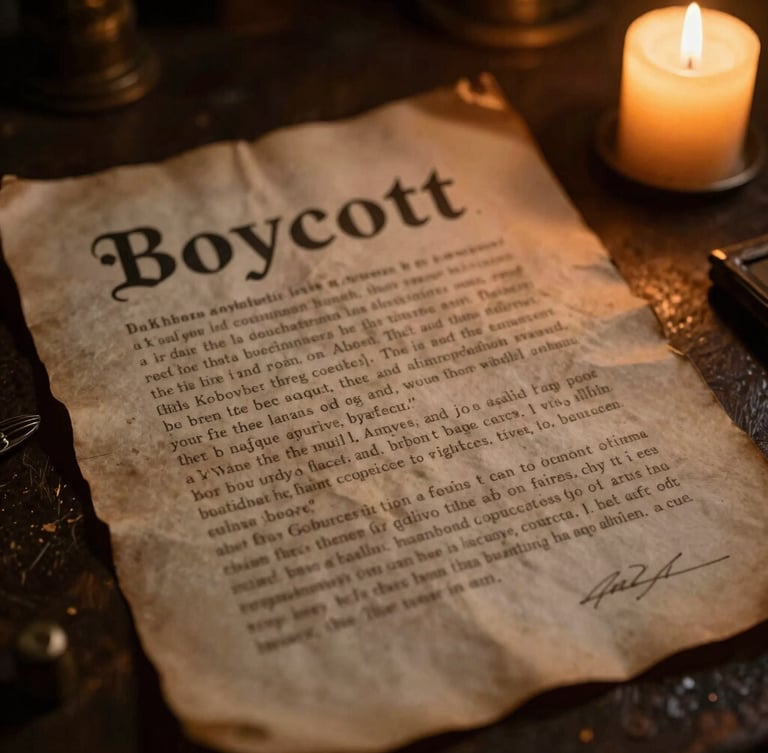
The great tea boycott
When the tea went into Boston Harbor, drinking British imports became an act of submission. In taverns and homes, patriots chose a new brew of defiance.
Taverns of dissent
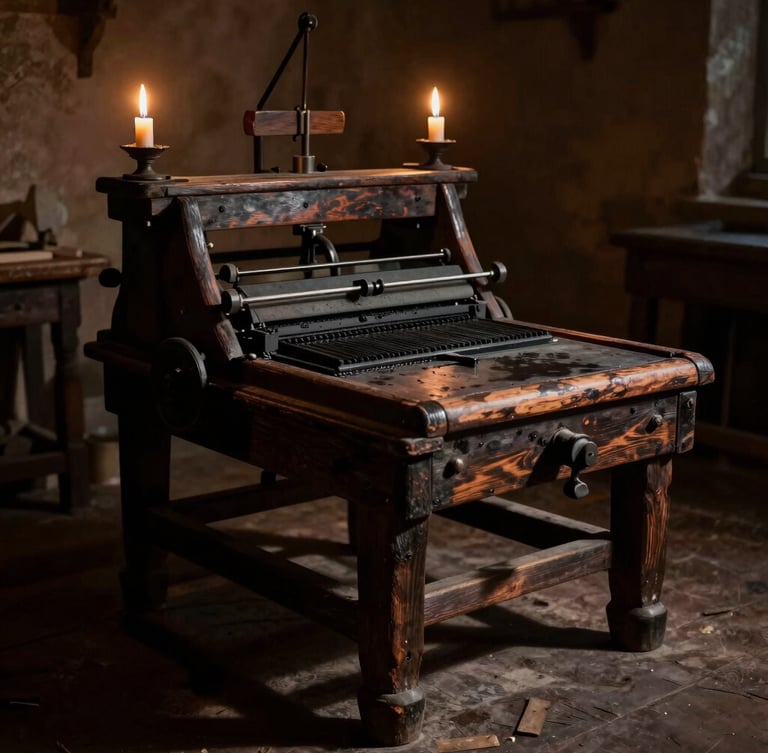
Long before the first shots were fired at Lexington, the revolution was plotted in the dim light of public houses. Over steaming mugs, printers and patriots forged a new alliance.
As the tea boycott took hold, coffee houses became the nerve centers of the resistance. Here, pamphlets were distributed, committees of correspondence met, and the language of liberty was refined.
Choosing coffee was not merely a matter of taste; it was a public declaration of allegiance to the American cause, separating patriots from loyalists.
Every steaming mug was a quiet oath of dissent.
By rejecting the Crown's taxed tea, colonial Americans transformed coffee from a simple beverage into a symbol of sovereign defiance.
Sourced from the archives
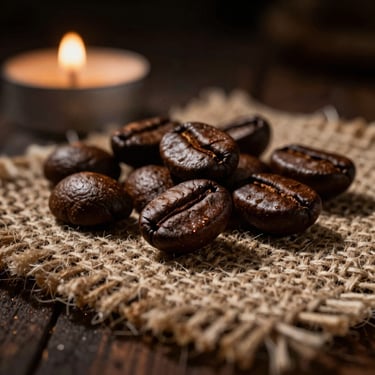
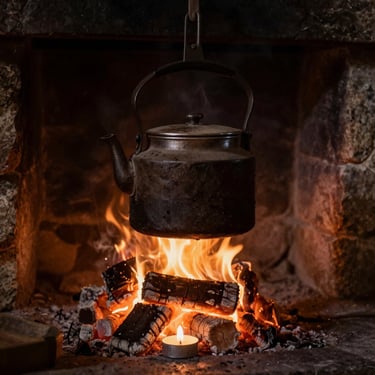
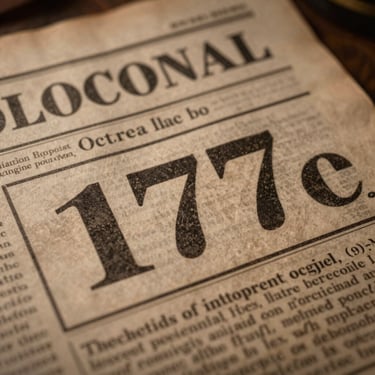
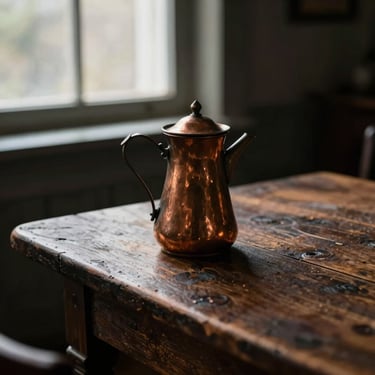
A curated look at the textures, documents, and hearths that fueled the early American resistance.
Bring history to your table
Taste our single-origin roasts named for the dissenters who built a nation.